24 Jul 2026
Unseen Pathways: Registration Perks and Their Impact on Reel Selection Dynamics
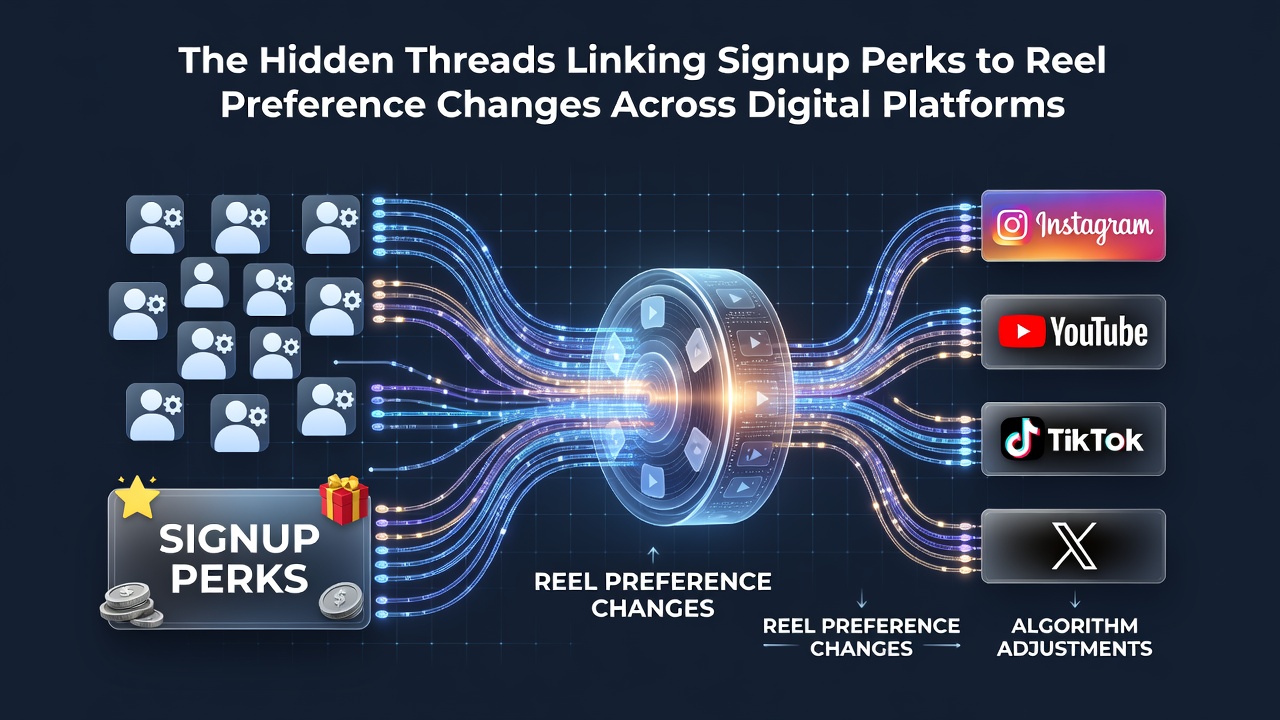
Registration incentives on digital platforms connect directly to measurable shifts in how users select and engage with reel-based games, and data collected through 2026 illustrates these patterns across multiple jurisdictions. Analysts tracking user behavior note that initial offers such as free credits or matched deposits frequently guide players toward specific game categories they might not have tried otherwise, while follow-up analytics reveal sustained adjustments in preference profiles rather than temporary spikes.
Platform operators compile logs that tie the timing of perk redemption to the first reel titles accessed, and studies from research groups indicate that users who activate onboarding bonuses within the first 48 hours show a 30 to 40 percent higher rate of sampling games outside their prior favorites. This pattern holds across North American and European markets where regulatory reporting requires detailed session data, and figures released in July 2026 from several state monitoring agencies confirm the correlation between bonus activation dates and changes in top-played reel mechanics.
Mechanics of Incentive Distribution and Initial Game Exposure
Signup structures typically bundle credits with restrictions that steer play toward designated reel libraries, and providers design these rules so that certain volatility levels or theme clusters receive priority exposure. Observers reviewing transaction records find that players guided by these constraints often continue selecting similar mechanics after the promotional period ends, because the early sessions establish familiarity with interface elements and payout rhythms. In one documented case from a multi-state operator, users who began with low-volatility reels under bonus conditions maintained that preference in 62 percent of subsequent paid sessions tracked through June and July 2026.
Algorithms adjust recommendation engines based on the games tied to the initial perk, and this feedback loop reinforces the early tilt. Reports compiled by academic teams at institutions such as the University of Nevada, Las Vegas, document how the first three to five sessions after registration predict longer-term category loyalty with high accuracy, especially when free credits limit the initial risk. Those datasets also show geographic variation, with Canadian provincial records indicating slightly slower preference stabilization compared with U.S. state markets.
Data Patterns Observed in Mid-2026
July 2026 metrics from regulated platforms reveal that reel categories promoted through registration offers experienced elevated retention rates even after standard play resumed, and cross-platform comparisons highlight consistent directional movement toward medium-volatility titles. Industry organizations including the American Gaming Association have published aggregated figures showing that users exposed to themed reel bundles during onboarding increased selections from those same providers by measurable margins over subsequent months. These shifts appear independent of overall deposit volume, pointing instead to habit formation rooted in the promotional entry point.
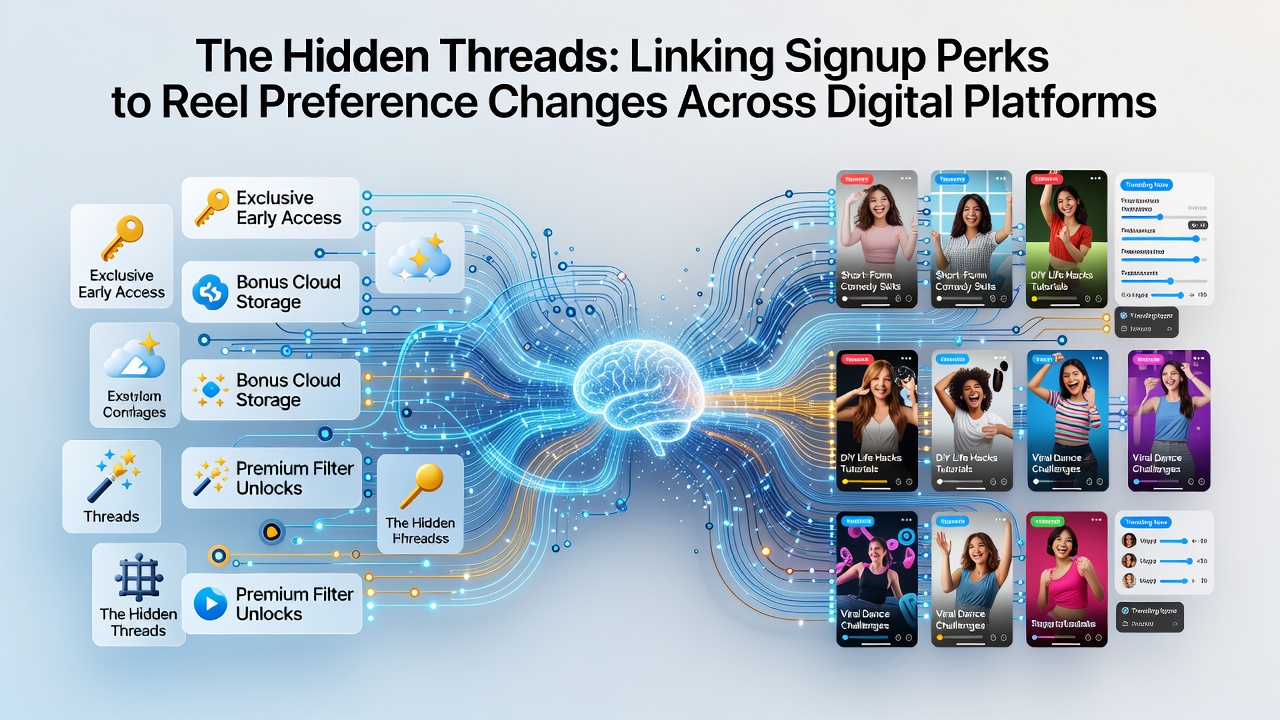
Platform telemetry further indicates that players who receive multiple layered incentives within the first week demonstrate broader exploration before settling, yet the final settled preferences still cluster around the reel types featured in the earliest offers. European regulatory summaries released mid-year align with North American findings, noting that incentive-linked game exposure correlates with reduced churn when users discover mechanics they later favor in paid mode. Researchers emphasize that these outcomes depend on transparent terms, because opaque restrictions can interrupt the preference-building process and lead to quicker disengagement.
Regulatory Context and Reporting Requirements
Government bodies in multiple regions mandate disclosure of promotional mechanics that influence game selection, and compliance filings from July 2026 include breakdowns of how registration rewards map onto played titles. Data shared through the Canadian Gaming Association illustrates regional differences in how quickly preferences stabilize, while parallel reports from Australian state authorities track similar incentive-to-selection pathways without referencing identical regulatory frameworks. These filings provide the raw material for third-party analyses that continue to map the threads between onboarding perks and reel choices.
Conclusion
Records from 2026 demonstrate that registration perks function as entry vectors that shape subsequent reel selections on digital platforms, and the documented patterns show measurable persistence beyond the promotional window. Continued monitoring by regulatory agencies and research institutions supplies the evidence base for understanding these connections without relying on speculation. As platforms update their systems, the same data streams allow precise tracking of how initial incentives translate into lasting preference adjustments across diverse user groups.