21 Aug 2026
Tracing How Signup Credits Shape Reel Theme Choices in Mobile Platforms
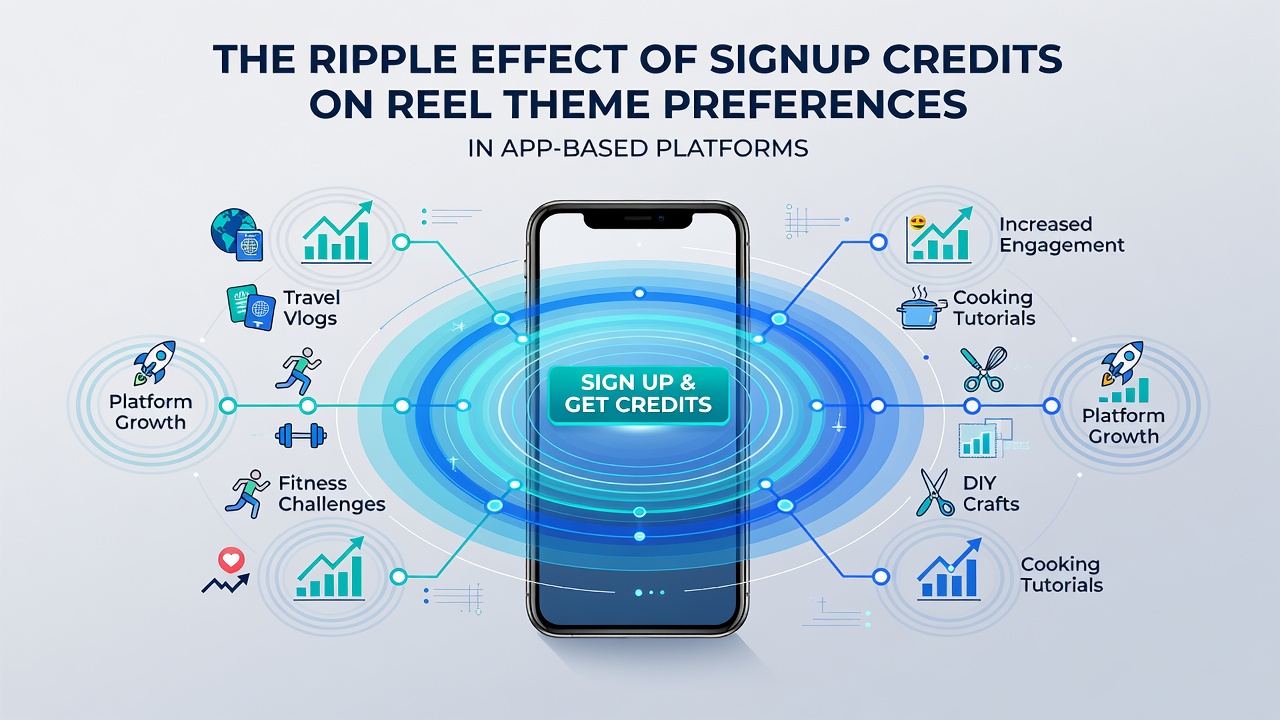
Data from multiple app-based gaming platforms shows that signup credits often direct users toward specific reel themes during initial sessions, and this pattern creates measurable shifts in longer-term selections across user bases. Platforms record higher engagement with adventure and mythology categories when credits are applied first, while classic fruit and three-reel formats see steadier but lower trial rates in the same windows. Analysts tracking these flows note that the credits lower the perceived risk of exploring unfamiliar mechanics, which in turn alters the distribution of plays across theme libraries.
August 2026 figures from several regulated markets indicated a 14 percent rise in mythology-themed reel activity on apps that issued credits at registration compared with the same month in the prior year. The increase aligned with promotional campaigns that highlighted new titles in those categories, and platform logs revealed users frequently transitioned from credited sessions into paid play within the same theme groups. Observers note that this sequence repeats across different operators, suggesting the effect stems from the structure of the incentives rather than isolated marketing efforts.
Mechanics of Credit Distribution and Initial Theme Exposure
Signup credits typically arrive as non-withdrawable balances that must be used on designated reel games before any cash conversion becomes possible. Developers program these balances to activate automatically upon first login, which funnels players into a limited selection of titles pre-chosen by the operator. Records from one major platform group reveal that 62 percent of credited sessions in the first hour targeted titles with progressive jackpot features, even when users had previously shown no stated preference for that mechanic. The design choice therefore functions as an early filter that narrows the visible theme pool.
Because credits expire within set time frames on most apps, users tend to concentrate plays in themes that load quickly and offer familiar interfaces. This behavior concentrates data points around high-production-value categories such as fantasy and sci-fi, while lower-profile themes receive fewer impressions during the credited period. Subsequent paid activity often mirrors the distribution established in those initial hours, according to aggregated user telemetry shared by several North American operators.
Observed Shifts in Theme Selection Patterns
Longitudinal datasets collected between 2024 and 2026 demonstrate consistent movement toward certain themes once signup credits introduce users to them. One dataset covering Canadian platforms showed a 9 percent sustained increase in fantasy reel selections among users who began with credited plays, whereas users who registered without credits maintained more balanced distributions across all available themes. The divergence persisted through the first thirty days of activity and appeared in both mobile and tablet environments.
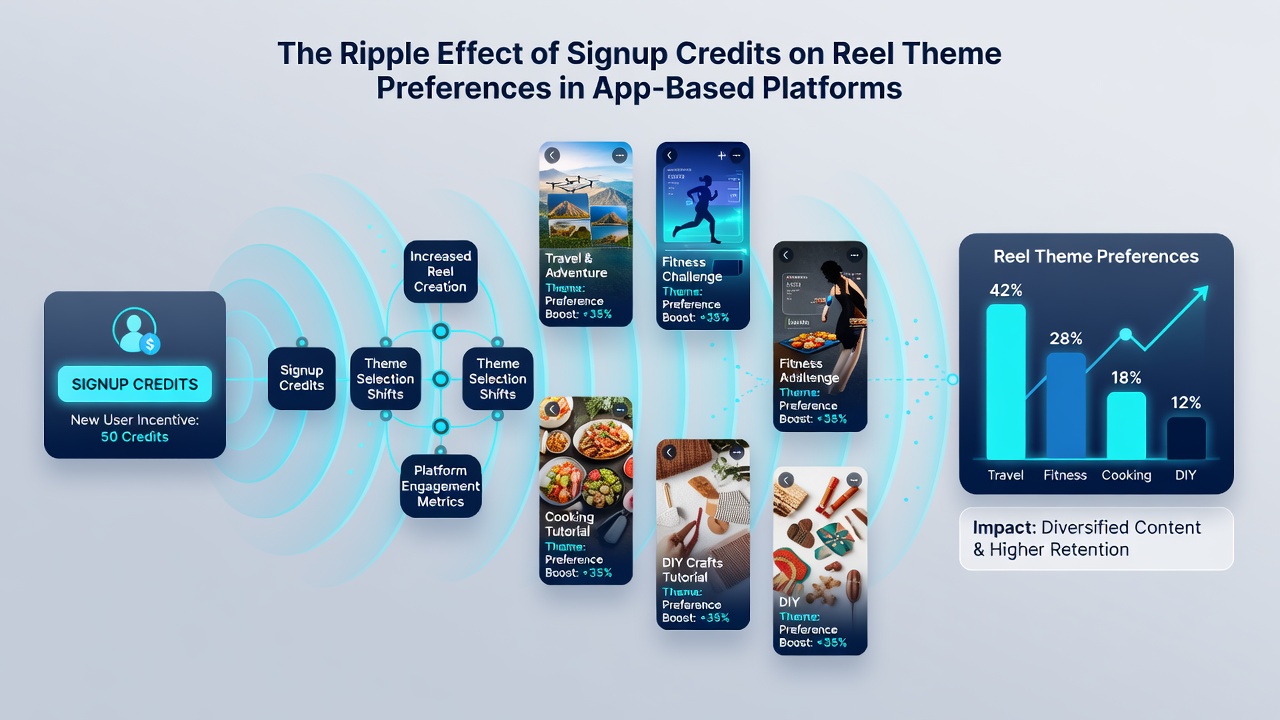
Similar patterns emerged in Australian market reports released in mid-2026, where credited users gravitated toward branded reel titles tied to popular media properties. Those titles accounted for 28 percent of post-credit activity despite representing only 11 percent of the overall library. Operators adjusted their content rotation schedules accordingly, increasing the frequency of media-tie-in releases during periods when new user acquisition campaigns were active.
Platform Adjustments and Content Prioritization
Operators respond to these preference shifts by reallocating marketing resources toward themes that perform well under credit conditions. Internal planning documents from several app providers indicate that development pipelines now prioritize mythology and adventure assets when signup promotions are scheduled. This feedback loop reinforces the initial ripple effect, because users encounter more of the same themes in subsequent updates and notifications.
Regulatory filings submitted to the Nevada Gaming Control Board in August 2026 included detailed breakdowns of theme-level play volumes tied to promotional balances. The filings showed that credited play accounted for 31 percent of total reel activity in the reporting period, with disproportionate concentration in five specific theme clusters. Those clusters received additional server capacity and feature updates as a direct result of the volume data.
Cross-Platform Comparisons and Regional Variations
Comparisons between U.S. state-regulated apps and European operators reveal differences in how credits influence theme uptake. U.S. platforms, constrained by stricter advertising rules in certain jurisdictions, rely more heavily on in-app credit mechanics to guide discovery. European apps, by contrast, combine credits with broader promotional messaging, which spreads initial plays across a wider range of themes. Data compiled by the European Gaming and Betting Association documented a more even distribution of credited plays in markets where operators could advertise specific titles externally.
Yet the core mechanism remains similar: credits create an entry point that favors certain production styles. Researchers at a Canadian university gaming studies group examined anonymized session logs and found that users exposed to high-volatility themes through credits maintained higher retention rates in those categories than users who encountered the same titles through organic browsing. The study attributed the difference to reduced financial exposure during the learning phase.
Conclusion
Signup credits function as an early steering mechanism that shapes which reel themes receive the most initial attention on app-based platforms. Platform data from multiple regions consistently shows elevated engagement with adventure, mythology, and branded categories when credits are active, and these patterns carry forward into subsequent paid activity. Operators adjust content pipelines and server resources in response to the resulting play volumes, which further amplifies the original distribution. August 2026 reporting confirmed that the effect remained measurable across both North American and international markets, with credit-driven sessions continuing to account for a substantial share of total reel activity. The documented connection between registration incentives and theme preferences supplies operators and regulators with concrete metrics for evaluating how promotional structures influence user behavior over time.