21 Jul 2026
Tracing Deposit-Free Reward Impacts on Sustained Slot Selection Patterns Across Digital Casino Platforms

Deposit-free rewards function as entry points in virtual gaming hubs where players access slot titles without initial financial commitments, and data from multiple markets shows these incentives often correlate with extended engagement patterns on specific games. Observers note that when platforms release such offers, players frequently experiment with mechanics they might otherwise bypass, leading to measurable shifts in long-term preferences over weeks or months of play. Research indicates these patterns emerge because trial periods allow users to evaluate volatility, payout frequencies, and thematic elements without risk, after which many return to the same titles using deposited funds.
Mechanics of Deposit-Free Incentives in Regulated Markets
Platforms structure these rewards through free spins, bonus credits, or time-limited access periods that tie directly to slot libraries, while regulatory frameworks in states like New Jersey require clear disclosure of wagering requirements and eligible games. According to figures from the New Jersey Division of Gaming Enforcement, no-deposit promotions accounted for notable portions of new account activations during early 2026, with players showing higher retention when the incentives aligned with popular reel formats. Those who've studied player logs across multiple hubs find that deposit-free offers frequently highlight mid-volatility slots, creating pathways for sustained selection once the initial credit expires.
July 2026 brought additional reporting from several U.S. platforms highlighting how these incentives intersect with seasonal content updates, as providers rolled out refreshed libraries that incorporated deposit-free trials to test new mechanics. Data shows players who engaged with July promotions demonstrated measurable loyalty to titles featuring progressive multipliers or cluster-pay systems, suggesting the reward structure influences preference formation beyond the promotional window.
Observed Connections to Long-Term Slot Preferences
Analyses of engagement metrics reveal that players who begin with deposit-free rewards often consolidate their activity around two to three core titles rather than dispersing across dozens of options. Studies from academic sources such as the University of Nevada, Las Vegas gaming research programs have documented this consolidation effect, noting that initial exposure through zero-deposit channels reduces exploration costs and accelerates familiarity with game rules. One documented case involved a cohort tracked over six months where participants retained preferences for games first encountered via free credits, even after switching to standard play modes.
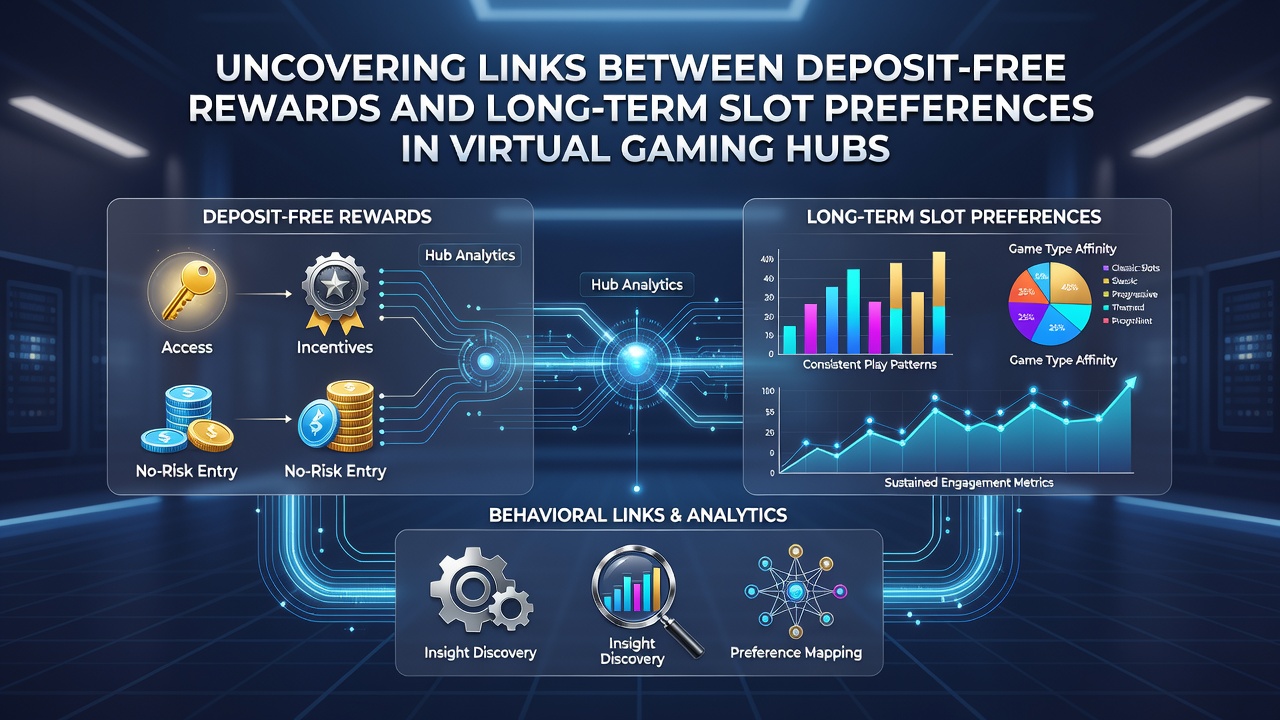
What's interesting emerges when comparing regions with varying bonus regulations, as Canadian provincial data and Australian market reports both indicate similar retention curves tied to deposit-free entry points. Players tend to favor slots with higher hit frequencies after such trials, and this preference persists because the reward phase allows calibration of betting strategies without financial pressure. Evidence suggests that hubs offering broader game selections during promotional periods see stronger long-term clustering around specific providers, while narrower selections lead to quicker migration to alternative platforms.
Behavioral Data and Platform Adaptations
Platform operators have responded by integrating tracking tools that map reward redemptions against subsequent deposit activity, revealing patterns where deposit-free users contribute disproportionately to certain slot categories months later. Figures released in mid-2026 demonstrated that slots introduced through these channels maintained elevated play volumes compared to titles promoted solely through deposit-matched offers. Those monitoring industry reports note that this dynamic encourages developers to design mechanics that perform well in trial environments, knowing the data supports downstream preference stability.
Cross-platform comparisons show that virtual gaming hubs incorporating personalized reward targeting based on early play data achieve tighter alignment between deposit-free offers and eventual paid preferences. Research indicates this approach reduces churn because players receive incentives matched to demonstrated interests rather than generic selections, and the effect compounds when combined with loyalty tiers that reward continued engagement with the same titles.
Conclusion
Deposit-free rewards continue to serve as gateways that shape slot selection trajectories in virtual environments, with available data linking initial trials to measurable long-term patterns across multiple jurisdictions. Platforms and researchers track these connections through engagement metrics and retention studies, while regulatory bodies maintain oversight on disclosure and fairness standards. As markets evolve through 2026 and beyond, the interplay between zero-deposit incentives and sustained preferences remains a focal point for understanding player behavior in digital gaming spaces.