26 Jun 2026
Regulatory Variations Guiding Signup Reward Structures in Mobile Reel Platforms
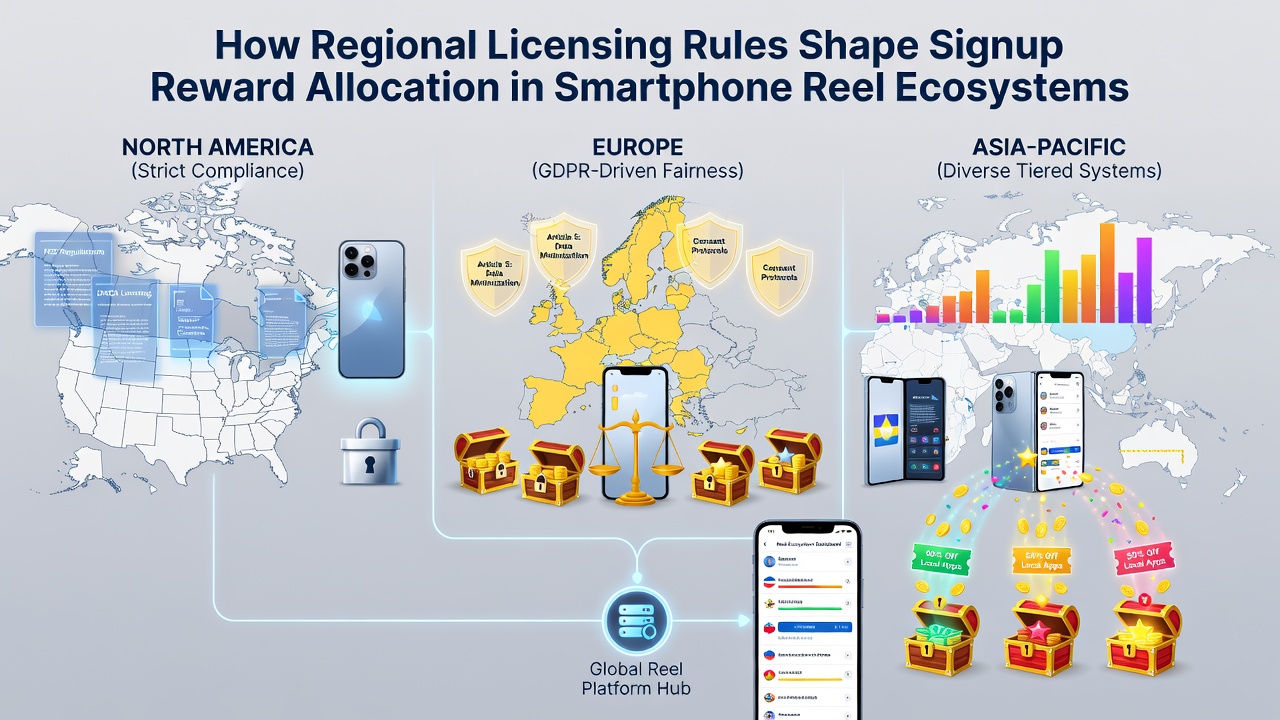
Regional licensing frameworks establish clear boundaries around how operators distribute signup rewards within smartphone reel ecosystems and these boundaries vary sharply from one jurisdiction to another. Licensing authorities set specific caps on bonus values, define eligible game categories, and impose verification timelines that directly influence what new users receive upon registration. Observers note that operators adjust reward packages to remain compliant while still attracting players across different markets.
Core Mechanisms of Licensing Influence
Licensing rules dictate maximum deposit-match percentages, free-spin quantities, and wagering multipliers that apply to initial rewards and these constraints force platforms to redesign offers when expanding into new territories. In markets with strict contribution caps, operators shift allocations toward lower-value but instantly accessible credits rather than high-match percentages that require larger initial deposits. Data from regulatory filings shows that platforms operating under multiple licenses maintain separate reward tiers that activate based on user location at signup.
Smartphone ecosystems add another layer because device-based verification systems must align with local identity requirements and geofencing obligations. Operators integrate these checks into the registration flow so that reward eligibility updates in real time once a user's location is confirmed. This technical integration reduces instances where ineligible users claim offers that later get voided during compliance reviews.
Regional Examples and Allocation Patterns
North American markets illustrate distinct approaches: New Jersey requires operators to file reward structures in advance while Ontario permits greater flexibility provided total bonus value stays below defined thresholds. These differences produce measurable shifts in signup allocations, with New Jersey platforms often emphasizing smaller free-credit bundles that clear wagering faster. Figures from the New Jersey Division of Gaming Enforcement reveal consistent patterns where average signup reward values remain 15 to 20 percent lower than comparable offers in less restrictive Canadian provinces.
European markets outside the United Kingdom demonstrate similar variation through Malta's licensing regime, which permits cross-border reward distribution under specific conditions, whereas certain Eastern European authorities impose daily bonus caps that reset at midnight local time. Operators respond by segmenting mobile app users according to their licensing profile and routing reward offers through separate backend systems to avoid cross-contamination of promotional terms.
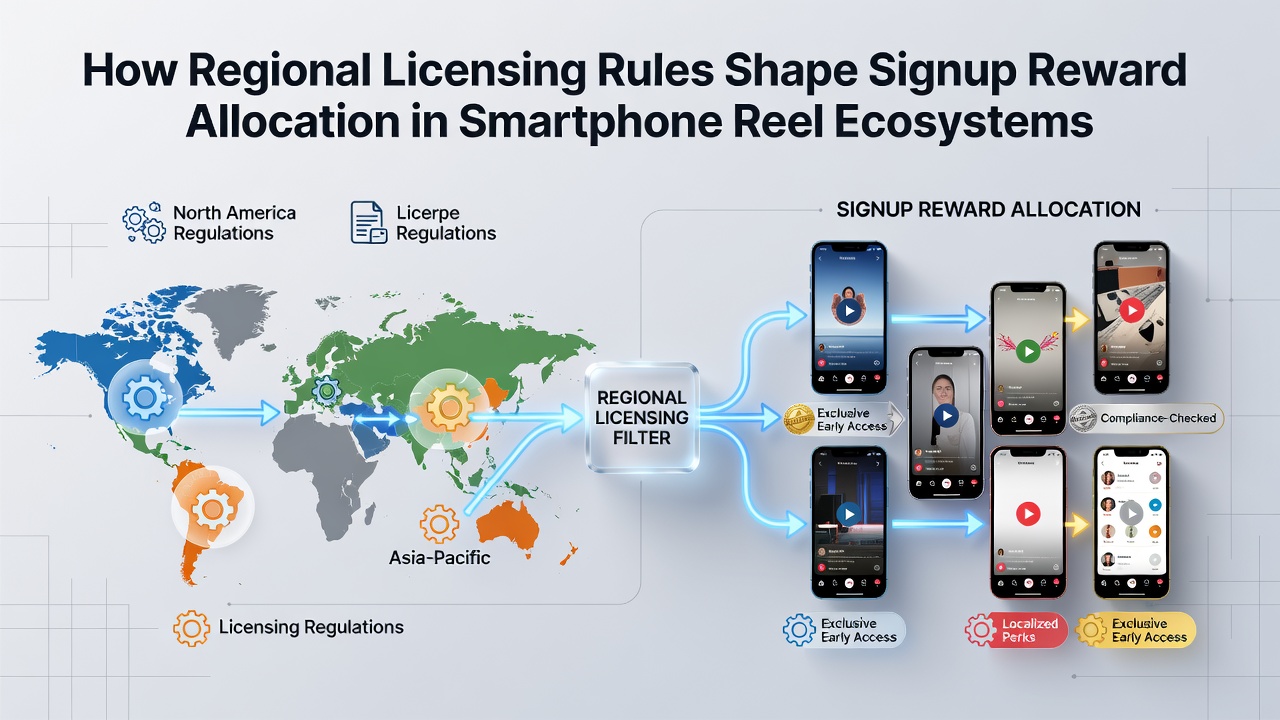
Smartphone-Specific Implementation Challenges
Mobile reel platforms face additional hurdles because app-store policies intersect with gambling licensing rules and these intersections affect how signup rewards appear during the download and installation sequence. Some licensing bodies require explicit disclosure of reward terms within the app interface itself, which changes the visual layout and timing of bonus presentation. Developers therefore maintain modular code that swaps reward messaging based on detected jurisdiction without requiring full app resubmission.
June 2026 brings continued expansion of regulated smartphone reel markets in several U.S. states and observers expect licensing updates in at least two additional jurisdictions to standardize reward reporting requirements. These changes will likely prompt operators to consolidate their reward allocation engines so that a single rules engine handles multiple regional constraints simultaneously. Industry reports indicate that platforms already testing unified systems achieve faster compliance updates when new rules take effect.
Player Behavior and Reward Visibility
Research from academic studies on digital gaming shows that users in highly regulated regions encounter fewer signup reward options yet report higher completion rates for those offers because terms remain consistent across platforms. In contrast, markets with lighter oversight present wider reward variety but also higher rates of offer abandonment once users discover hidden wagering conditions. Operators track these patterns through anonymized cohort data that links reward type to session duration and retention metrics.
Geolocation accuracy plays a decisive role because even minor discrepancies in location detection can trigger reward disqualification. Platforms invest in multi-source verification that combines GPS, IP address, and SIM data to maintain compliance while minimizing false rejections that frustrate legitimate users. Those who've studied these systems note that seamless verification correlates with higher conversion from registration to first rewarded spin.
Future Adjustments in Allocation Logic
As more jurisdictions introduce smartphone-specific gambling regulations, operators anticipate further fragmentation of signup reward structures. Some authorities are exploring dynamic bonus caps tied to average player spend within the region, which would require real-time recalculation of offers based on aggregated platform data. Early pilots of such systems demonstrate that reward values can shift daily without manual intervention from marketing teams.
Industry organizations including the American Gaming Association and the Canadian Gaming Association continue to publish comparative analyses of licensing approaches that help operators anticipate upcoming changes. These reports highlight how reward allocation strategies must evolve alongside both technological capabilities and regulatory expectations to maintain sustainable player acquisition across smartphone reel ecosystems.
Conclusion
Regional licensing rules function as primary determinants of signup reward allocation in smartphone reel ecosystems by setting enforceable limits on value, structure, and delivery methods. Operators respond through modular technical systems and segmented offer engines that respect each jurisdiction's boundaries while preserving user acquisition goals. Continued regulatory developments through mid-2026 will likely accelerate the adoption of unified compliance frameworks capable of handling multiple regional constraints within single mobile applications.