30 Jun 2026
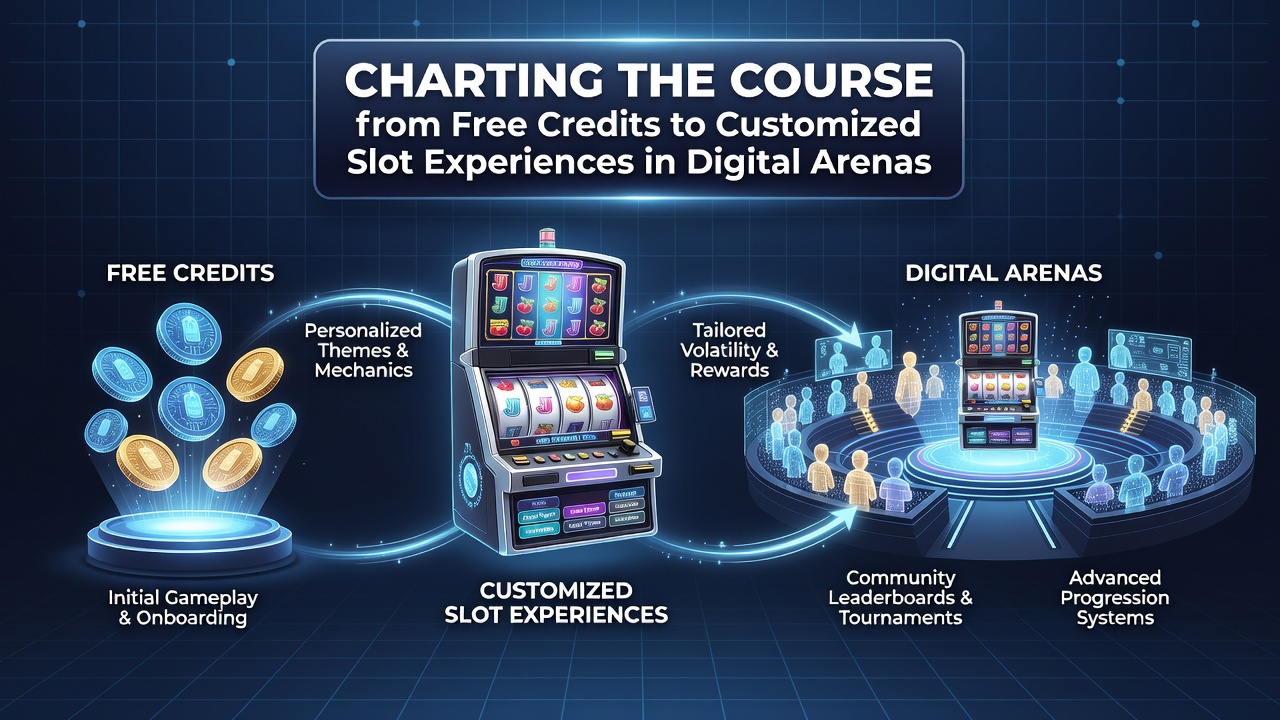
Navigating Incentive Structures: The Progression from Complimentary Credits to Bespoke Slot Engagements in Virtual Casino Environments

Free credits serve as entry points in regulated digital gaming platforms where operators track initial player selections to refine subsequent offerings and many systems log data on spin frequency along with bet sizing patterns right from the first deposit-free sessions. Those who study these environments note how registration rewards often steer users toward particular reel mechanics and volatility levels while platforms adjust visibility of titles based on early engagement metrics and this process unfolds continuously across multiple jurisdictions.
From Registration Rewards to Game Discovery
Operators deploy complimentary credits through structured campaigns that connect directly to user accounts and data from state oversight bodies shows consistent patterns in how these incentives influence reel selection during the initial hours of play. Players receive fixed amounts of playable currency upon signup and the systems record which themes attract the most spins before any real-money transition occurs. In turn developers receive aggregated feedback that shapes future content updates and release schedules especially evident as new titles appear throughout June 2026 in markets like New Jersey and Pennsylvania.
What's notable is the way algorithms prioritize games that match demonstrated preferences and this creates a feedback loop where early credit usage predicts longer-term behavior. Research indicates that sessions starting with no-deposit offers frequently lead to higher exploration rates of medium-volatility slots compared with direct cash deposits and operators use this information to surface similar titles on home screens.
Data Pathways and Preference Formation
Modern platforms employ sophisticated tracking that maps every interaction from the moment free credits activate and this information flows into recommendation engines that customize lobby layouts for individual accounts. According to figures from the New Jersey Division of Gaming Enforcement revenue reports and player activity summaries reveal steady growth in engagement metrics tied to these layered incentives and similar trends appear in data shared by the Canadian Gaming Association through their annual industry analyses.
Observers note that players who begin with credit-based trials often migrate toward games featuring specific bonus round structures or multiplier systems and the shift occurs because the initial experience highlights those elements without financial risk. This mapping continues as accounts mature and the same users encounter tailored free spin bundles that align with their established patterns rather than generic promotions.
Customization Mechanisms in Regulated Markets
Personalization extends beyond simple recommendations because platforms integrate real-time adjustments based on session length and credit depletion rates and these features operate within strict compliance frameworks that govern data usage. During June 2026 several providers introduced enhanced filtering options that allow users to refine searches according to previously favored mechanics while operators simultaneously update backend models that predict retention through incentive matching.
Take one case where a user starts with a standard welcome credit package and quickly gravitates toward cluster-pay formats and the system responds by highlighting comparable releases from multiple studios in subsequent logins. This progression happens without manual input from the player and relies instead on accumulated behavioral signals that accumulate across devices and time zones.
Longer-Term Engagement Patterns
Sustained interaction often stems from the gradual transition where free credits give way to matched deposit offers that still reference earlier choices and this continuity keeps players within familiar game families while introducing controlled variations. Evidence suggests that accounts showing early diversification across slot categories maintain higher activity levels over six-month periods compared with those that remain narrowly focused and operators monitor these metrics closely to calibrate future campaigns.
Yet the underlying infrastructure remains consistent across major platforms because regulatory requirements demand transparent reporting on how incentives connect to game access and this transparency supports ongoing refinement of customization tools without compromising player protections.
Conclusion
The pathway from initial free credits to highly individualized slot experiences rests on continuous data collection and algorithmic response that operates across regulated digital arenas. As platforms evolve through 2026 and beyond the connections between early incentives and later preferences continue to strengthen and this shapes both player navigation and content development cycles in measurable ways.