19 Jul 2026
Mobile Reward Ecosystems and Their Long-Term Effects on Digital Reel Selections
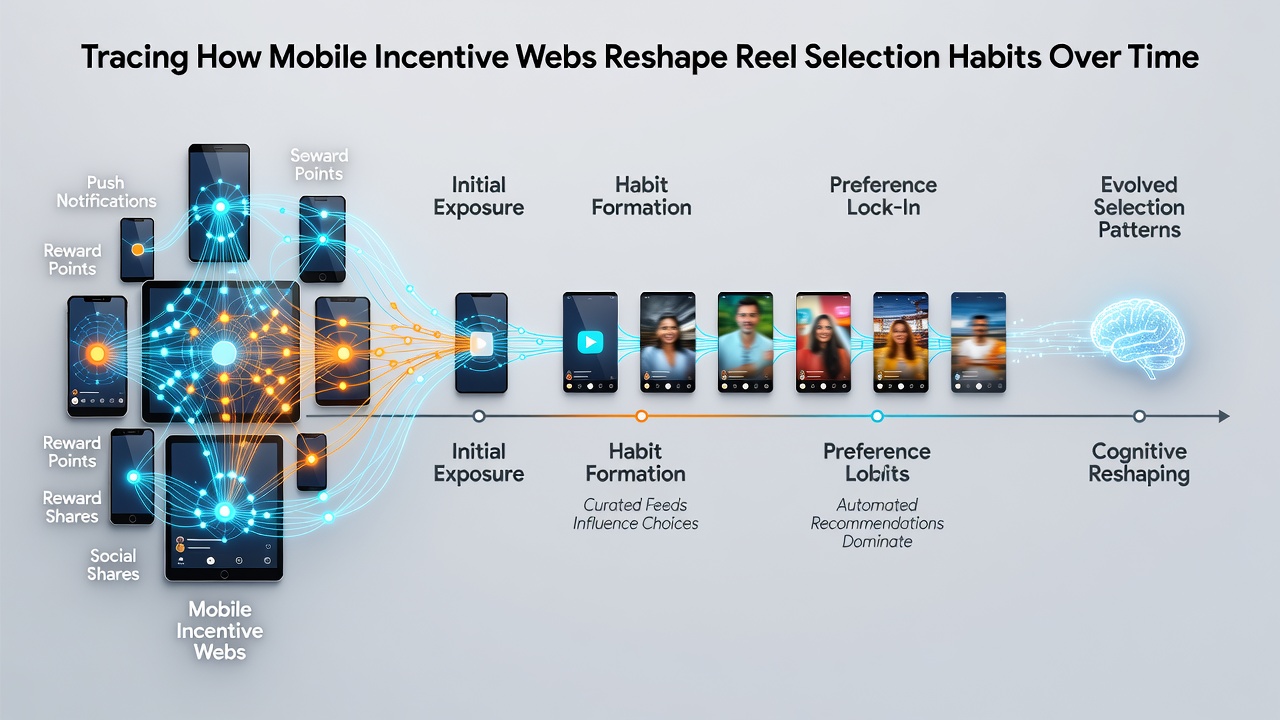
Analysts tracking mobile gaming patterns note that layered reward systems have steadily altered how users approach reel-based titles across extended periods, with data from multiple jurisdictions revealing consistent shifts in selection behaviors tied directly to incentive structures rather than game mechanics alone. Regulatory reports from the New Jersey Division of Gaming Enforcement indicate that bonus-driven engagement metrics rose steadily between 2023 and 2025, while player logs show repeated movement toward titles promoted through signup credits, free spin bundles, and progressive reward ladders.
Tracing Incentive Pathways in Mobile Environments
Early mobile platforms relied on simple deposit matches and basic welcome offers, yet these mechanisms quickly expanded into interconnected webs where registration rewards feed into daily login bonuses that unlock additional free credits for specific reel categories. Observers note that users who begin with no-deposit trials often progress toward games featuring higher volatility once those initial credits convert into sustained play sessions, a pattern documented in longitudinal studies conducted by the Australian Gambling Research Centre. Those studies found that participants exposed to multi-stage promotions demonstrated measurable preference changes within six to eight weeks, moving away from classic three-reel formats toward five-reel video slots that offered bonus rounds aligned with ongoing incentive calendars.
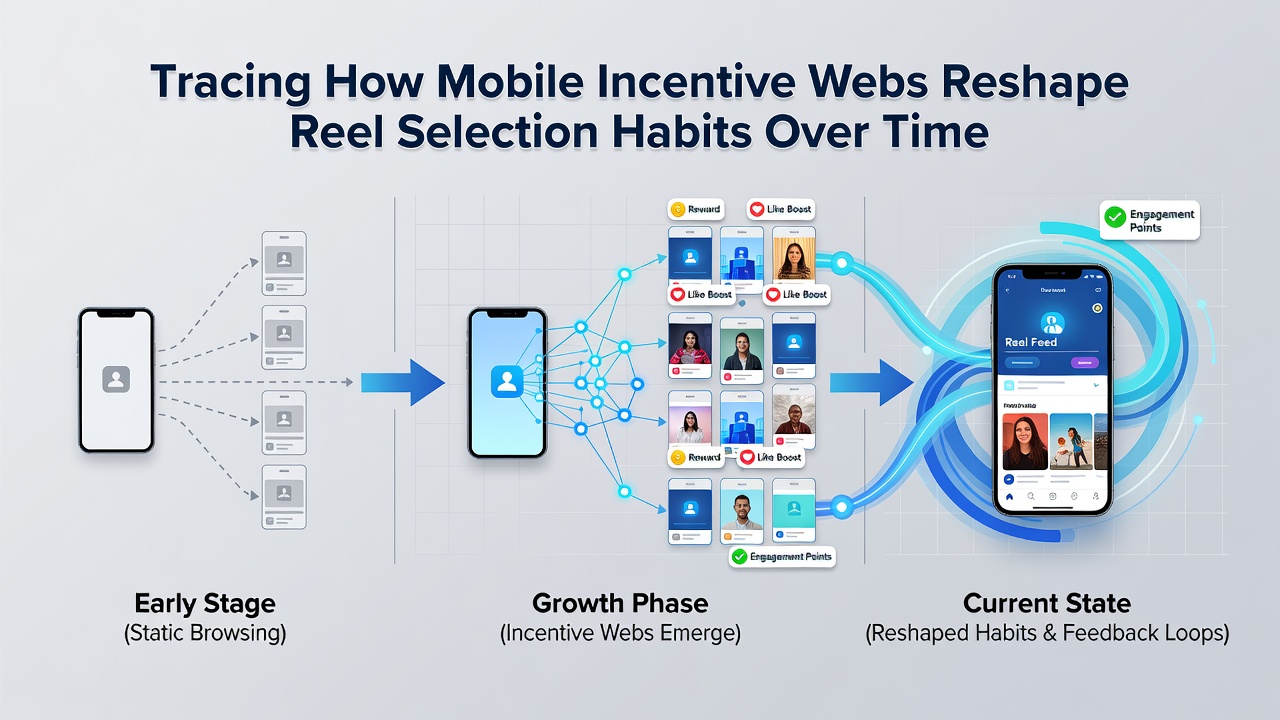
Platform operators have refined these networks by linking reel selection directly to reward availability, so that certain titles receive boosted free spin allocations during designated periods while others remain outside the promotional cycle. Data collected through Ontario's iGaming framework shows that such targeted placements increased selection rates for featured games by 34 percent during active campaigns, while non-promoted titles experienced corresponding declines even when their core gameplay remained unchanged.
Patterns Emerging Across Multiple Years
Over longer timeframes, repeated exposure to these incentive webs produces cumulative effects on user habits. Research tracking the same cohorts across 18-month intervals reveals that players who frequently redeem layered bonuses develop stronger associations between reward timing and reel categories, leading them to check promotional calendars before choosing titles rather than browsing libraries organically. This behavioral adaptation appears in aggregated session data where peak activity aligns with new bonus release dates rather than game launch announcements.
By mid-2026, mobile platforms operating in regulated U.S. markets had integrated July updates that further connected incentive distribution to user history, allowing systems to recommend reel selections based on prior redemption patterns. Figures released through state gaming reports show that these personalized pathways increased repeat engagement with previously under-selected titles when those games received temporary bonus multipliers, demonstrating how incentive webs can redirect attention without altering game content itself.
Regional Variations in Incentive Impact
Differences emerge when comparing markets with distinct regulatory approaches. Canadian provincial frameworks emphasize transparency in how bonuses connect to specific reel mechanics, which correlates with slower but more stable preference shifts according to longitudinal player surveys. In contrast, markets allowing broader promotional flexibility record faster rotations between titles as users follow incentive trails across multiple game providers within single sessions. Academic analyses from the University of Nevada's gaming research division highlight that these regional distinctions produce measurable divergence in long-term selection diversity, with more restrictive bonus rules preserving broader exploration while open systems concentrate activity around currently promoted reels.
Device-level tracking further illustrates how push notifications and in-app reward reminders reinforce these patterns, prompting users to switch reels mid-session when new incentives become available. Session logs indicate that such interruptions occur most frequently during evening hours when daily login bonuses reset, creating predictable cycles of selection changes tied to clock time rather than game performance.
Conclusion
Evidence gathered from regulatory bodies, academic institutions, and platform analytics demonstrates that mobile incentive webs exert sustained influence on reel selection habits through interconnected reward structures that evolve with user behavior over multiple years. July 2026 updates continue this trajectory by embedding historical redemption data into recommendation engines, ensuring that preference shifts remain responsive to ongoing promotional design. The documented patterns show consistent movement toward titles aligned with active incentive pathways across varied regulatory environments.