18 Aug 2026
Incentive Structures Driving Variations in Slot Game Preferences on Digital Platforms
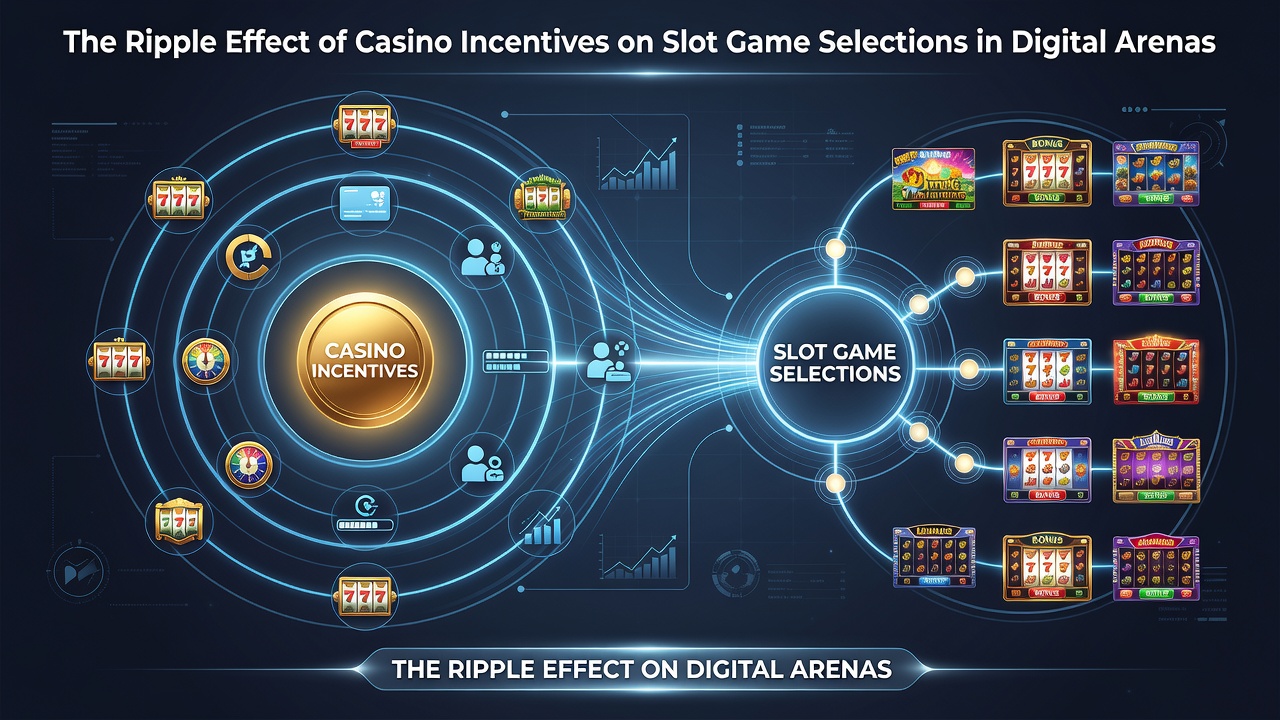
Digital casino platforms deploy a range of incentives including deposit matches, free spin allocations, and cashback programs that directly shape which slot titles players select during sessions, and data from multiple markets shows these offers create measurable shifts in game popularity rankings over time.
Operators structure promotions around specific slot mechanics such as volatility levels or bonus round frequencies, which encourages users to gravitate toward titles that maximize the perceived value of the incentive package. Studies tracking user behavior across platforms reveal that games featured in welcome offers or reload bonuses experience higher play volumes compared to unpromoted alternatives during the same periods.
Mechanics of Incentive Distribution
Promotional systems operate through targeted campaigns that highlight particular slot categories, and August 2026 saw several major platforms adjust their featured game lists to align with seasonal player activity patterns. These adjustments often tie free credit amounts to minimum bet requirements on selected titles, which guides players toward games that fit the promotional criteria while still meeting wagering thresholds.
Platform analytics indicate that no-deposit incentives attached to low-volatility slots produce longer session durations, whereas high-volatility games paired with deposit bonuses attract shorter but more intense play periods. This pattern holds across regulated markets where operators must publish clear terms for each offer type.
Observed Shifts in Player Selections
Research conducted by industry monitoring groups demonstrates that players exposed to layered incentives frequently switch from familiar titles to newly promoted ones within the first week of an offer launch. The effect compounds when multiple promotions run simultaneously, creating competition among slot providers for placement in active campaigns.
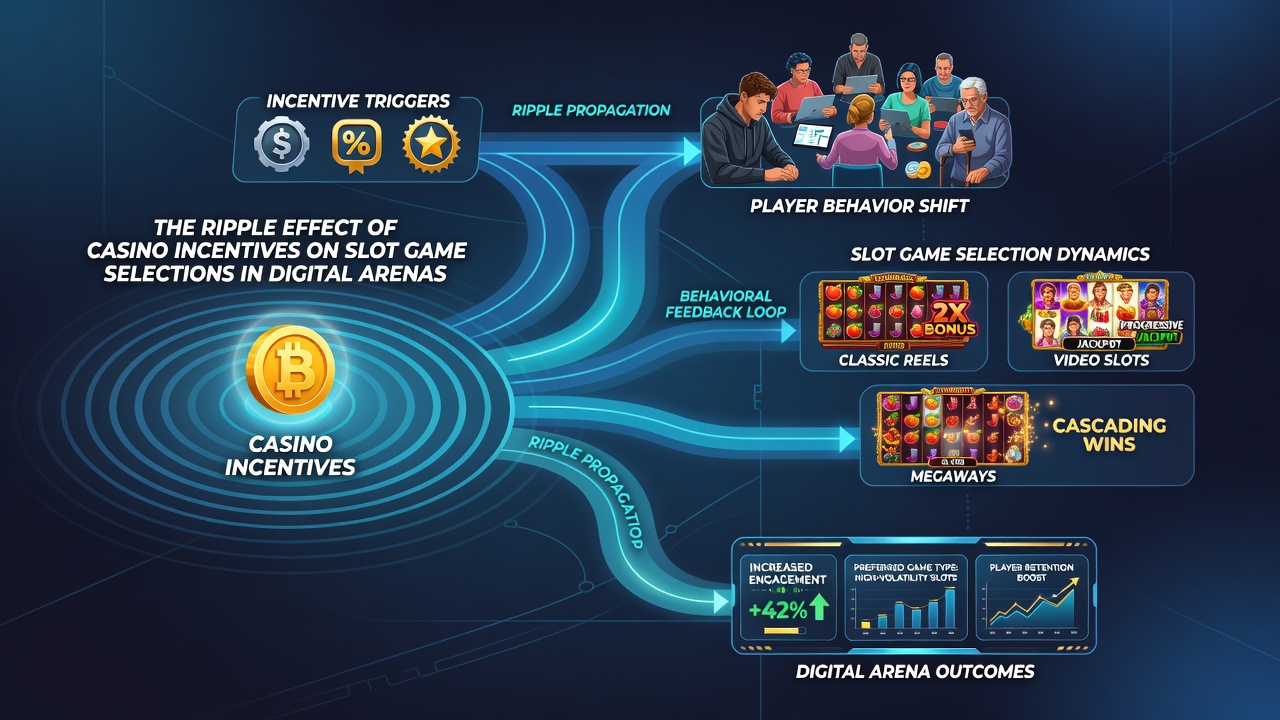
One documented case involved a major operator that linked registration rewards to a specific cluster of progressive jackpot slots, resulting in a documented 40 percent increase in selections for those titles during the promotion window. Similar patterns emerged in data sets from North American and European platforms, showing consistent preference migration toward incentivized games.
Regional Regulatory Influences
Regulators in various jurisdictions require operators to maintain transparent records of how incentives connect to game offerings, and figures from the American Gaming Association highlight that compliance reporting has become more detailed since 2025. These requirements help track whether promotional structures favor certain game providers over others in ways that affect overall market balance.
Platforms operating under Canadian provincial frameworks report similar data collection practices, where incentive-linked game selections undergo periodic review to ensure fair distribution of promotional exposure. August 2026 updates in several provinces incorporated new reporting categories focused specifically on slot preference shifts tied to bonus structures.
Provider Responses and Platform Adjustments
Slot developers monitor incentive trends closely because placement in active promotions often determines initial performance metrics for new releases. When a provider secures multiple promotional slots across platforms, its titles see accelerated adoption rates compared to those without such support.
Operators adjust their internal algorithms to balance promotional priorities with player retention goals, and this creates feedback loops where popular incentivized games receive continued promotion while underperforming titles drop from rotation. Data aggregation services that compile cross-platform statistics show these cycles typically last between four and eight weeks before preferences stabilize again.
Long-Term Engagement Patterns
Longitudinal tracking studies reveal that initial incentive-driven selections can influence subsequent play habits even after promotions end, particularly when players discover new game features during the incentivized period. This carryover effect appears stronger in mobile environments where push notifications reinforce earlier choices.
Market reports compiled through academic partnerships with gaming research centers indicate that repeated exposure to incentive-linked slots correlates with narrower game variety in individual player libraries over multiple months. The pattern suggests that promotional structures not only guide immediate selections but also contribute to the formation of stable preference clusters around certain game types.
Conclusion
Available evidence establishes clear connections between casino incentive structures and measurable changes in slot game selections across digital platforms, with patterns repeating across different regulatory environments and time periods. Ongoing data collection efforts continue to refine understanding of these relationships as operators and regulators adapt to evolving market conditions.