14 Jul 2026
How Registration Perks Influence Game Selection in Digital Casino Environments
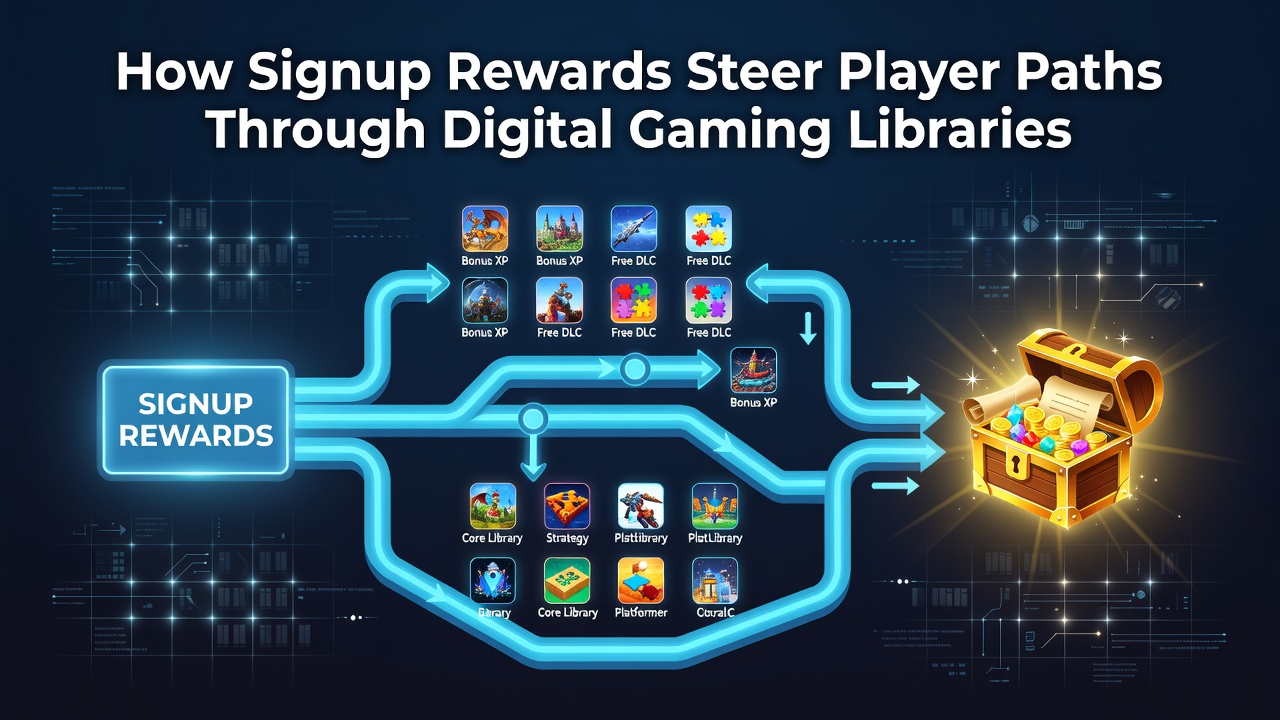
Registration incentives appear across digital gaming platforms as welcome packages that combine deposit matches, free spins, and no-deposit credits, and these offers frequently direct initial player activity toward particular titles within extensive libraries. Operators structure such rewards to highlight selected games, which in turn shapes early navigation patterns as users explore available options. Data collected through platform analytics shows that players often begin sessions with the promoted content before branching out, creating measurable shifts in selection sequences during the first hours after account creation.
Mechanics Behind Reward-Driven Navigation
Signup rewards connect directly to game libraries through mechanics such as mandatory playthrough on designated slots, restricted game lists for free spins, and bonus cash that activates only on featured providers. These constraints guide users along predetermined paths because eligibility requirements limit choices at the outset. When a platform attaches free spins exclusively to a new release from a major studio, players encounter that title first upon claiming the offer, and subsequent library browsing tends to follow from there. Observers note that such structures reduce random exploration in favor of guided progression through specific sections of the catalog.
July 2026 introduces additional layers as operators align fresh content launches with ongoing registration campaigns. Several platforms schedule new mechanics and themes to coincide with mid-year promotions, ensuring that signup packages emphasize recently added games. This timing creates concentrated traffic toward those additions while older titles receive less immediate attention from new accounts. Platform logs indicate that the proportion of play sessions starting with promoted titles rises noticeably during these coordinated periods.
Observed Patterns in Player Behavior
Studies of account activity reveal consistent sequences where new users sample the rewarded games before accessing the broader collection. One analysis of aggregated data from multiple operators found that over 60 percent of initial spins occur on titles linked to welcome offers, after which selection diversity increases gradually over subsequent days. This pattern holds across different regions, although the specific games featured vary by licensing jurisdiction and provider partnerships. The effect appears strongest in the first 48 hours, after which engagement spreads more evenly.
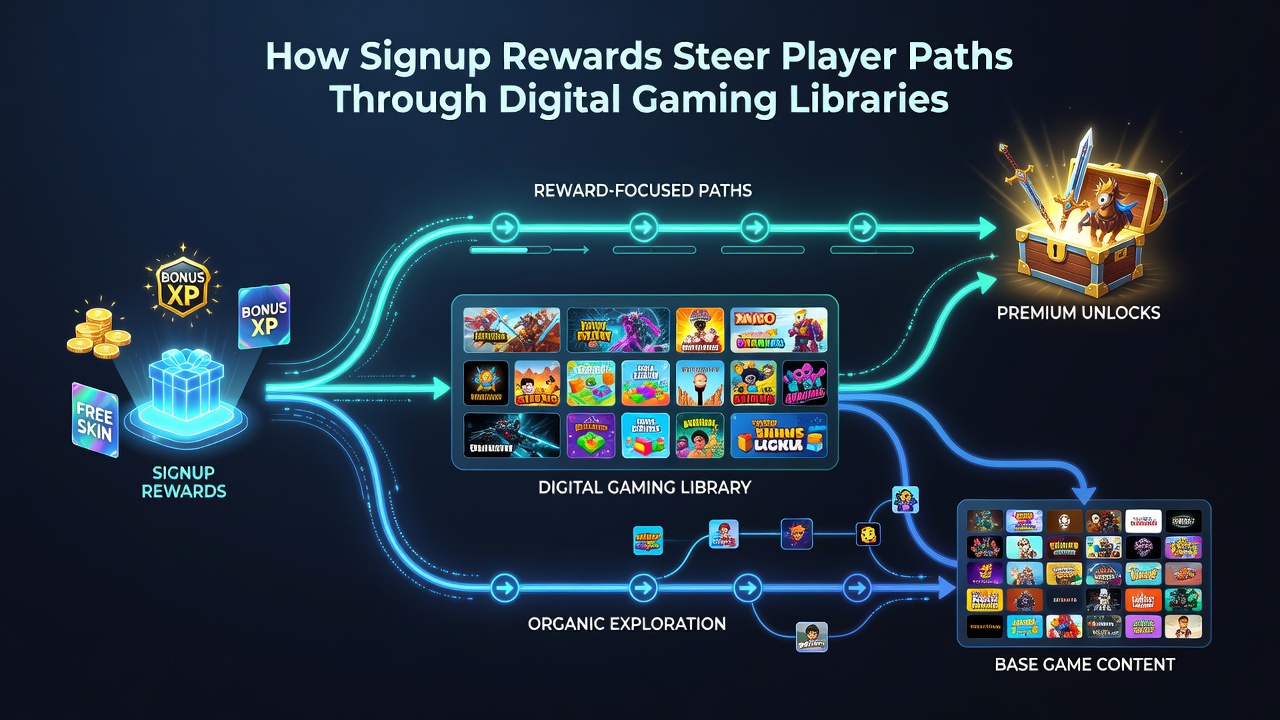
Additional findings from regulatory reports highlight how these incentives interact with library size. Larger catalogs, containing thousands of titles, benefit from focused entry points that prevent new users from feeling overwhelmed. Smaller platforms employ similar tactics to maximize visibility for their limited selections. In both cases, the rewards function as entry vectors that prioritize certain content clusters, such as high-volatility slots or branded series, while de-emphasizing others during the onboarding phase.
Provider and Platform Strategies
Game developers collaborate with operators to embed their releases within signup structures, securing prominent placement that influences early player exposure. This arrangement benefits studios seeking rapid data on new mechanics because initial play volume concentrates around the featured games. Meanwhile, platforms track retention metrics to refine which reward combinations produce sustained movement through the library rather than isolated sessions on a single title. Adjustments occur regularly, with July 2026 updates incorporating performance data from the preceding months to optimize steering effectiveness.
According to figures published by the Pennsylvania Gaming Control Board, platforms operating under state oversight report elevated engagement with promoted titles during promotional windows. Similar trends appear in data shared by the Alcohol and Gaming Commission of Ontario, where registration-linked activity shows measurable concentration around specific releases before broader dispersion occurs. These reports underscore the role of incentive design in directing traffic without mandating long-term adherence to any single game.
Longer-Term Effects on Library Exploration
Over extended periods, the initial steering effect diminishes as players accumulate experience and begin independent selection. Yet the early exposure still contributes to preference formation because familiarity established through rewarded play carries forward. Research tracking multi-week behavior indicates that a portion of users return repeatedly to genres first encountered via signup offers, even after exhausting the bonus terms. This secondary influence extends the reach of registration incentives beyond the immediate claim period.
Operators monitor these trajectories to balance short-term acquisition goals with longer-term catalog utilization. When certain sections of the library remain under-visited despite large inventories, platforms adjust future reward placements to redirect traffic accordingly. The process relies on continuous data review rather than static configurations, allowing responsiveness to emerging trends in player movement.
Conclusion
Signup rewards operate as structured entry mechanisms that channel new accounts toward selected portions of digital gaming libraries through eligibility rules and featured placements. Patterns documented in regulatory and platform data demonstrate consistent early concentration followed by gradual expansion of choices. Coordinated launches in periods such as July 2026 amplify these dynamics by aligning fresh content with registration campaigns. The overall result is a guided progression that influences both immediate activity and subsequent exploration habits across extensive collections.