5 Jun 2026
Credit Pathways and Preference Shifts in Modern Digital Reel Environments

Understanding Credit Pathways in Digital Reel Systems
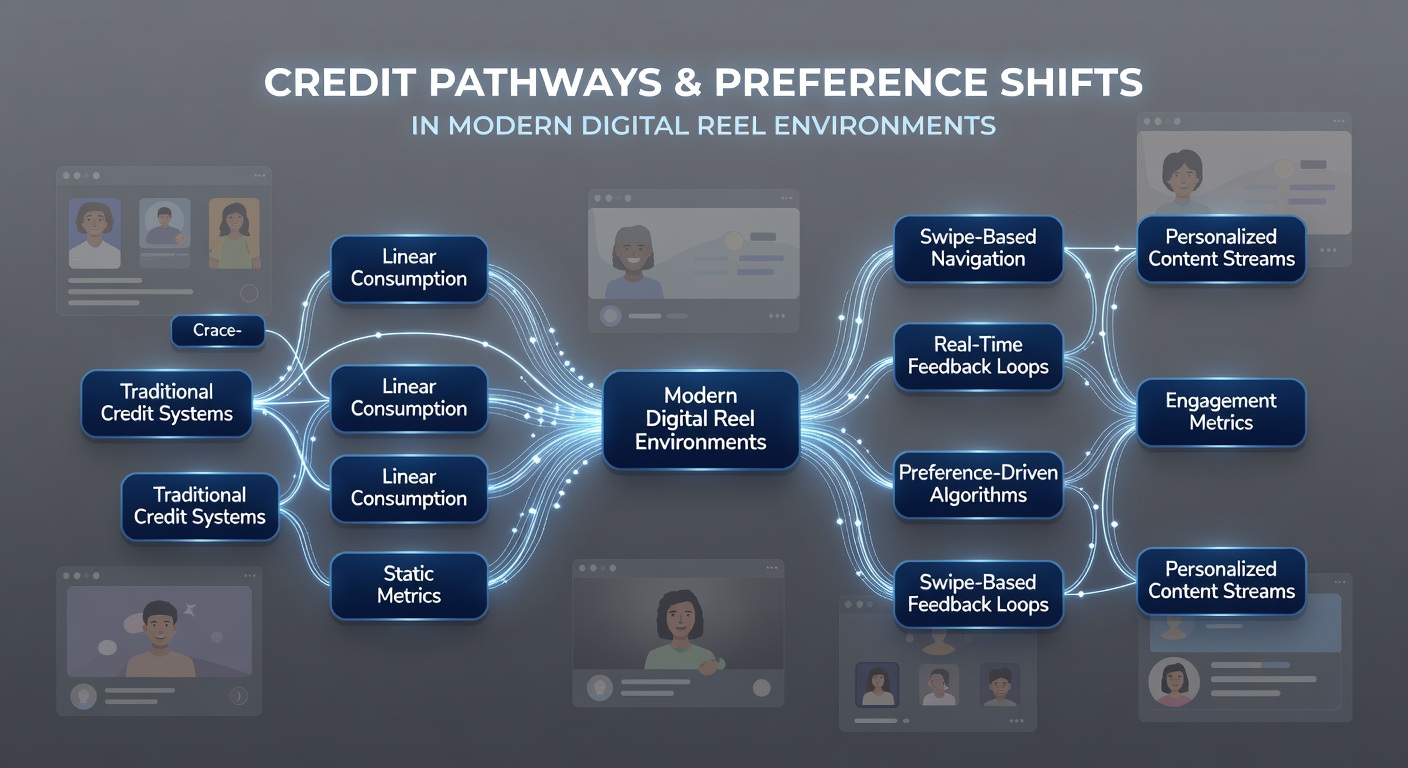
Digital reel environments operate through structured credit pathways that guide how players accumulate, convert, and redeem virtual credits across various slot titles, and these mechanisms have grown increasingly layered since the expansion of regulated online platforms in multiple regions. Credit pathways typically begin with initial deposits or promotional allocations, then branch into multipliers, tiered rewards, and conversion points that tie directly into gameplay mechanics such as reel spins, bonus rounds, and progressive jackpots.
Observers note that platform operators design these pathways to align player activity with specific game features, which creates measurable differences in how credits flow from one stage to the next. Data from industry reports indicate that players often follow predictable sequences when credits carry restrictions like expiration timers or game-type limitations, and this structure influences session length as well as the types of reels selected during active play.
How Preference Patterns Emerge from Credit Structures
Preference shifts occur when credit pathways alter the appeal of certain reel titles over others, and researchers tracking player behavior across platforms have documented consistent trends in selection patterns. For instance, credits that unlock higher volatility reels tend to draw players toward titles with larger potential payouts, whereas credits limited to lower-stakes games steer activity toward more frequent but modest returns. Those who've studied transaction logs find that these shifts become more pronounced during periods when new credit allocation rules take effect, such as changes in minimum playthrough requirements or updates to reward conversion rates.
What's interesting is how external factors like seasonal promotions intersect with these pathways, because operators often introduce temporary credit boosts that redirect attention toward specific reel libraries. Figures from the New Jersey Division of Gaming Enforcement reveal steady growth in mobile reel engagement tied to such credit adjustments, particularly when pathways incorporate cross-game compatibility that lets credits transfer between different providers.
Developments Shaping Credit Dynamics in 2026
June 2026 marked several updates to credit pathway designs across regulated U.S. markets, where new reel titles incorporated advanced tracking for credit progression that responded in real time to player choices. Platform data shows increased adoption of hybrid pathways that combine free credit entry points with deposit-matched segments, and this combination has produced noticeable changes in how users navigate reel selections. Experts tracking these updates point to improved analytics tools that map credit movement across sessions, allowing operators to refine pathway structures based on observed preference clusters.
One study revealed that players exposed to flexible credit pathways spent more time exploring reel environments with variable payout structures, whereas rigid pathways correlated with repeated selections of familiar titles. Canadian regulatory summaries further highlight similar patterns in provincial online systems, where credit conversion options influenced the popularity of themed reel collections during mid-year rollout periods.
Regional Variations in Credit Pathway Implementation
Implementation of credit pathways varies by jurisdiction, which creates distinct preference outcomes across different markets. In European regulated environments, pathways often emphasize responsible play features such as credit caps and mandatory cooling periods, and reports from the Malta Gaming Authority show these elements correlate with steadier engagement across diverse reel categories. Australian oversight bodies have documented how credit pathways that include loyalty tier advancements drive players toward premium reel offerings once certain thresholds are met.
Yet the core mechanics remain consistent in that credits serve as both entry tickets and progression markers, and the way these markers connect to reel features determines which games gain traction. Observers note that pathways featuring instant credit feedback loops tend to accelerate preference shifts toward titles with rapid bonus triggers, while delayed conversion options favor reels with longer play cycles.
Measuring the Impact of Credit Pathways on Player Choices
Quantitative assessments of preference shifts rely on aggregated session data that tracks credit inflows, outflows, and associated reel selections over time. Research from academic sources at institutions like the University of Nevada, Reno, indicates that credit pathways with multiple branching options produce broader exploration of reel libraries compared to linear structures. These findings align with platform metrics collected during 2026, where updates to credit flexibility coincided with rises in cross-title play rates.
But here's the thing: not all shifts prove permanent, because preferences can revert once promotional credits expire or when baseline credit rules resume. This temporary nature means operators continuously adjust pathway parameters to sustain engagement patterns that match their reel portfolios.
Conclusion
Credit pathways function as foundational elements within modern digital reel environments, directly shaping teh sequence of player decisions and the distribution of activity across available titles. Evidence from regulatory reports, platform analytics, and academic tracking demonstrates that structured credit flows produce measurable preference shifts, and these patterns evolve alongside regulatory changes and technological updates such as those observed in June 2026. Continued monitoring of credit mechanics across regions provides ongoing insight into how these systems guide reel selection without requiring subjective interpretation of player intent.