18 Aug 2026
Credit Networks Reshaping Slot Preferences in Digital Casino Platforms
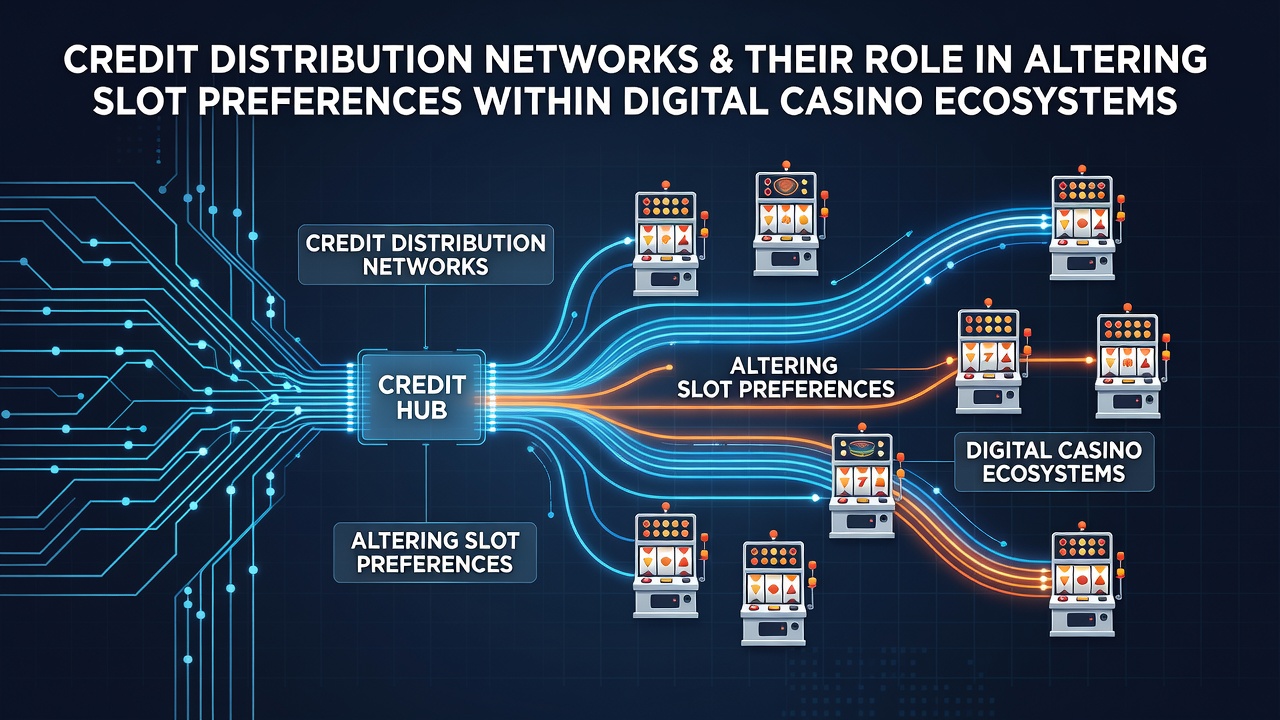
Digital casino ecosystems rely on credit distribution networks that allocate bonus funds, loyalty points, and promotional credits to players through automated systems, and these networks directly influence which slot titles receive increased playtime across regulated markets. Operators design these networks to connect registration rewards with ongoing engagement tools, creating pathways that guide player attention toward specific games while data from platforms shows measurable shifts in selection patterns during periods of active promotions.
Mechanics Behind Credit Allocation Systems
Modern credit distribution networks operate through layered algorithms that track player activity and release funds in stages, such as initial signup credits followed by reload bonuses tied to specific reel mechanics or volatility levels. These systems integrate with game providers to prioritize titles that meet internal performance metrics, and researchers at institutions like the University of Nevada have documented how such allocations lead to higher engagement rates for featured slots compared to standard catalog entries. Data from the Nevada Gaming Control Board indicates steady growth in digital credit volumes through mid-2026, with networks processing millions of transactions monthly across U.S. platforms.
Players encounter these networks when they receive no-deposit credits or free spin packages that restrict usage to certain game categories, and this structure encourages exploration of new releases while older titles see reduced traffic unless they receive targeted credit boosts. One case study from a major North American operator revealed that slots promoted through credit pathways experienced up to 40 percent increases in session starts during campaign periods, whereas unpromoted games maintained baseline activity without similar support.
Shifts in Player Selection Patterns
Evidence from industry reports highlights how credit networks alter preferences by linking rewards to game features like progressive jackpots or themed mechanics, and this connection prompts players to sample titles they might otherwise overlook. Observers note that in August 2026 several platforms adjusted their distribution models to emphasize mid-volatility slots, resulting in documented preference changes tracked through session analytics. Those who've studied these dynamics point to examples where credit incentives redirected play from classic three-reel formats toward five-reel video slots equipped with bonus rounds.
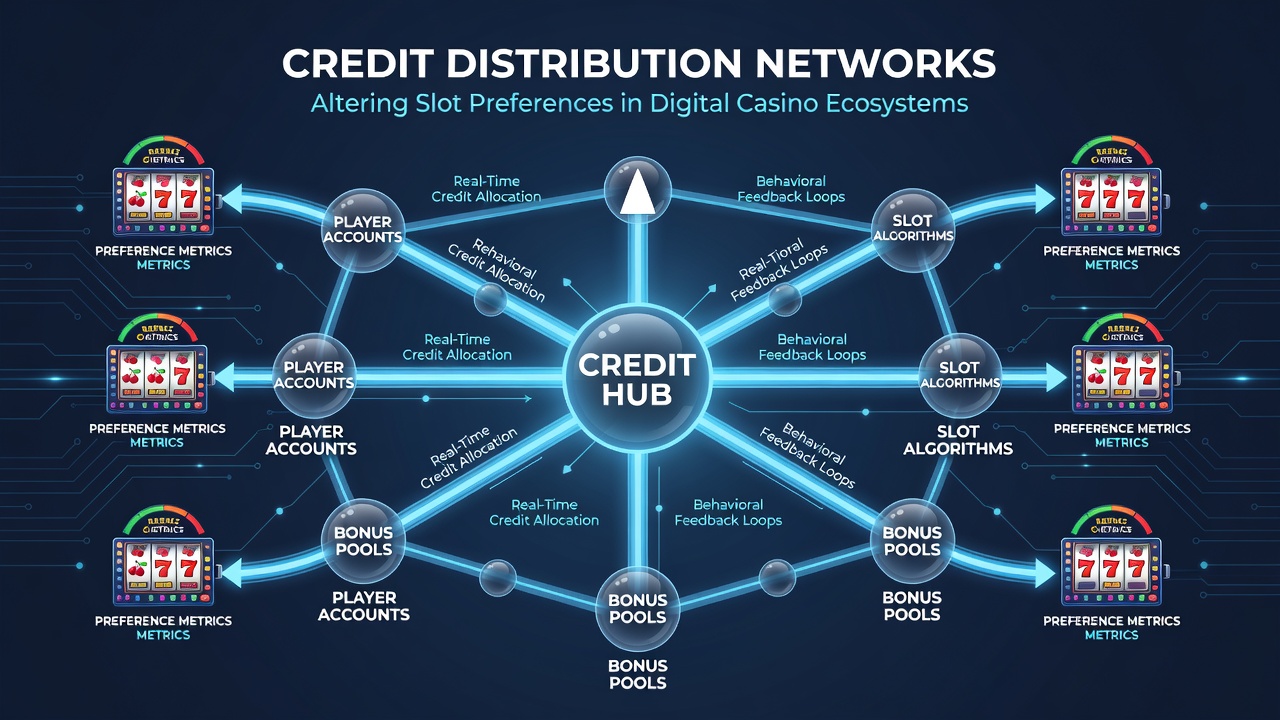
Networks also incorporate geographic and demographic filters that tailor credit offers based on player location or history, and this personalization produces regional variations in popular games. Figures from the Malta Gaming Authority show that European operators using advanced distribution tools recorded different preference clusters compared to their U.S. counterparts, with certain networks favoring high-RTP titles in one market while pushing branded content in another. The reality is these adjustments create feedback loops where popular slots receive more credit support, further reinforcing their position in player rotations.
Integration With Broader Platform Ecosystems
Credit distribution networks connect directly to loyalty programs and tournament structures, allowing operators to route credits through multiple touchpoints that sustain long-term engagement. Studies conducted by research teams at Canadian universities have examined how these integrated systems affect retention, finding that players who receive sequenced credits across different slot categories demonstrate more varied game selections over time. Platforms in regulated markets now use real-time monitoring to refine distribution rules, and this approach helps balance traffic across hundreds of available titles without manual intervention.
External partnerships between software providers and casino operators further shape these networks, as credit allocations often prioritize new launches from specific studios. Data compiled by the American Gaming Association tracks how such collaborations influence market trends, with certain networks channeling credits toward games that incorporate unique mechanics like cascading reels or multiplier trails. Those monitoring August 2026 releases observed that credit pathways accelerated adoption of titles featuring interactive elements, while traditional formats relied on organic discovery alone.
Regulatory Context and Data Tracking
Regulators in multiple jurisdictions require transparency in credit distribution practices, and this oversight ensures networks operate within defined parameters that prevent misleading allocations. Reports from the Australian Communications and Media Authority detail compliance standards that affect how credits appear in player accounts, influencing both visibility and redemption rates for promoted slots. Operators maintain detailed logs that researchers access to analyze preference shifts, and these records reveal patterns where credit volume correlates with session length and game type selection.
Networks continue evolving with machine learning components that predict which credits will drive the strongest response from different player segments, and this predictive layer adds another dimension to preference alteration. Evidence suggests sustained use of these tools across digital ecosystems leads to more dynamic slot catalogs where featured games rotate based on credit performance rather than static popularity rankings alone.
Conclusion
Credit distribution networks function as central components within digital casino operations by directing resources that modify player interactions with slot selections, and ongoing developments in August 2026 demonstrate their continued impact on engagement metrics. Data from regulatory bodies and academic sources confirms these systems produce measurable changes in game preferences through structured allocation methods that connect rewards with specific titles and mechanics. Platforms that refine these networks based on performance analytics maintain balanced traffic across their libraries while meeting compliance requirements in diverse markets.