17 Jul 2026
Bonus Frameworks Guiding Player Journeys in Online Slot Libraries

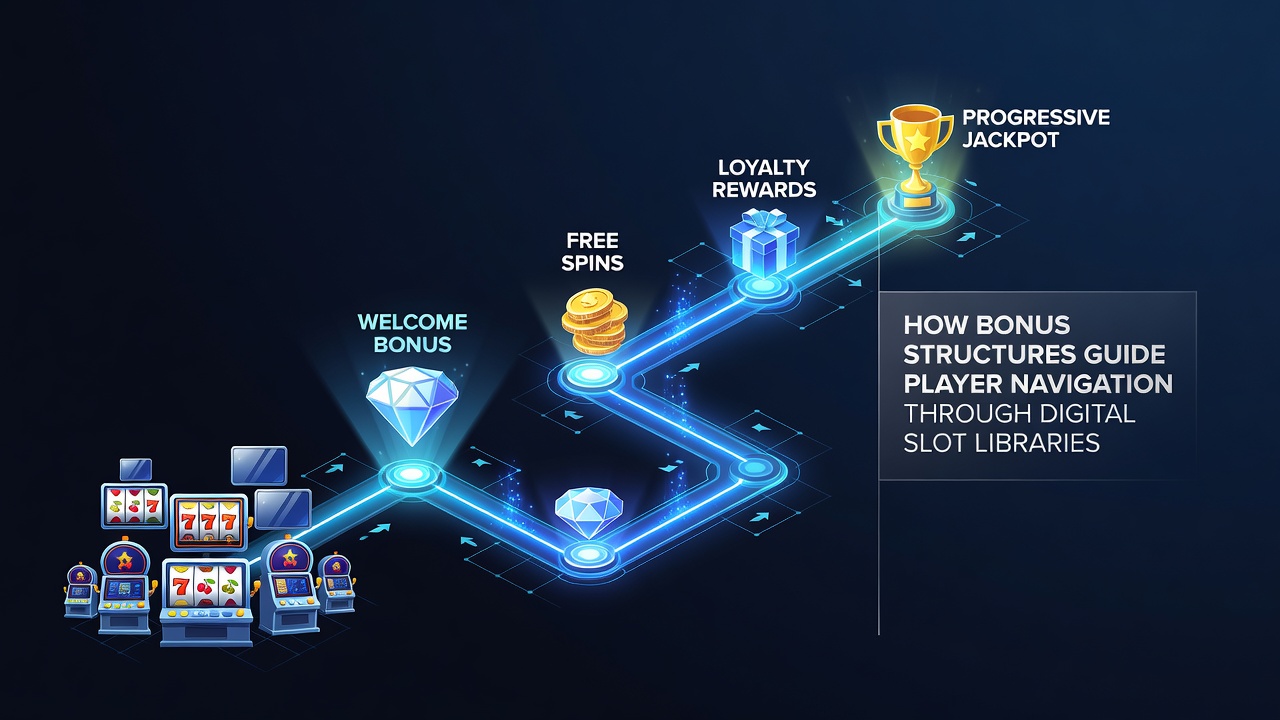
Digital slot libraries have grown into expansive collections where players encounter thousands of titles organized by themes, mechanics, and volatility levels, yet bonus structures often determine which sections receive attention first. Platforms arrange these incentives to highlight certain categories, creating pathways that direct traffic toward newer releases or established favorites without requiring players to browse randomly through menus.
Layered Incentive Designs in Library Interfaces
Operators structure bonuses across multiple tiers that align with game attributes, such as free spin allocations tied to high-volatility slots or deposit matches linked to progressive jackpot titles. Data from major platforms shows these layers encourage sequential exploration, where completing one reward unlocks visibility into adjacent library sections. In July 2026, several regulated markets observed increased engagement with mid-tier games after operators introduced hybrid offers combining no-deposit credits with targeted reel multipliers.
Navigation tools within libraries incorporate progress trackers that update as players redeem specific bonuses, revealing hidden filters for game types or providers. Those trackers operate through backend algorithms that adjust displayed recommendations based on prior redemptions, effectively steering selections toward underrepresented areas of the catalog. Research from industry analytics groups indicates this method reduces average time spent searching by directing users along predefined reward sequences rather than open-ended browsing.
Regional Patterns in Reward-Driven Selection
Platforms operating in North American markets frequently connect signup bonuses to regional favorites, while European sites emphasize cross-category bundles that span classic and video slots. Figures from regulatory reports in Ontario reveal that players who activated deposit-linked incentives in early 2026 showed higher retention rates within specific provider subsections compared to those using general credits. Similar patterns appear in Australian data, where bonus codes tied to seasonal themes guided selections toward limited-time additions during mid-year updates.
These regional variations arise because operators calibrate bonus visibility to local player data, adjusting which library filters appear prominently on initial login screens. Observers note that July 2026 updates in multiple jurisdictions included refined segmentation tools, allowing players to sort by bonus eligibility alongside standard metrics like RTP percentages and reel counts.
Algorithmic Adjustments and Library Flow
Backend systems track redemption patterns in real time, then reorder library carousels to prioritize games that align with active or recently completed bonuses. This creates a feedback loop where successful navigation through one incentive increases the likelihood of encountering related offers in subsequent sessions. Studies compiled by gaming research institutions demonstrate that such adjustments correlate with broader distribution of play across library subsections, rather than concentration on a handful of popular titles.
Players encounter these adjustments through dynamic banners and personalized search results that update based on bonus status. The approach relies on data from previous navigation sessions, enabling platforms to surface lesser-known entries when specific reward conditions are met. In practice, this means a player who redeems a free spin package on one provider's catalog may receive prompts directing them toward compatible mechanics in another provider's section during the same visit.
Examples from Platform Implementations
One major operator introduced a points-based system in spring 2026 that mapped bonus accumulation directly onto library maps, allowing users to unlock new categories upon reaching thresholds. This implementation produced measurable shifts in selection patterns, with data indicating elevated traffic to mid-library sections that previously received lower visibility. Another platform tested time-limited navigation aids during July 2026 that highlighted entire provider clusters when players met combined play and redemption criteria.
These cases illustrate how bonus structures function as mapping devices within digital environments, providing both visual cues and conditional access that shape movement through available content. External analyses from sources such as Nevada gaming oversight reports have documented similar directional effects in player behavior logs across multiple quarters.
Conclusion
Bonus architectures continue to serve as primary navigational aids within expanding digital slot libraries by aligning incentives with interface design and algorithmic recommendations. Data collected through 2026 shows these systems produce consistent patterns of exploration across varied markets, connecting reward redemption to broader engagement with catalog subsections. Platforms refine these frameworks through ongoing adjustments that respond to observed selection trends, maintaining structured pathways that integrate with existing library organization tools.